
The History of the Post Office
These days, with TV, radio, instant messaging, e-mails and overnight delivery, we take for granted that getting news and information was once a very slow and unreliable process. But in America’s colonial days, things were very different. Letters and news could take weeks or months to reach the colonies or travel from settlement to settlement.
 The first private mail delivery service in the U.S. began in 1673, with riders delivering mail between Boston and New York. Twenty years later, King William of England granted the right to deliver mail to Thomas Neale, who ironically had never been to the colonies. Neale appointed the governor of New Jersey to appoint postmasters in each British colony.
Domestic mail service was, at best, poor for the next 50 years. Overseas service was not much better. Letters were often delivered by trans-Atlantic ship captains who were in business for themselves, making extra money delivering letter and parcels to coastal settlements from Europe. Often letters were left at pubs, inns and meeting houses, as direct delivery to the home was too costly and difficult.
In 1737, Benjamin Franklin was named postmaster of Philadelphia by the British Crown and reorganized the troubled postal service into a well-organized and reliable service. He started a weekly mail wagon from Philadelphia to Boston, using relay riders that traveled day and night. It cut delivery time in half.
Yet, 1774, Franklin was dismissed as Postmaster General by the King because of his support for the revolution. That same year, Congress authorized the “Constitutional Post” which took over mail delivery from the Crown as yet another form of rebellion. Franklin was then again named Postmaster of the new U.S. postal system.
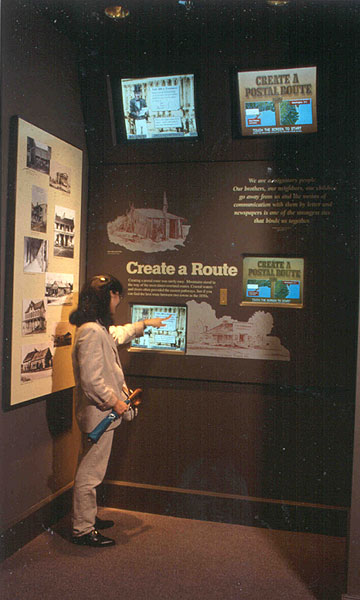
The history of the U.S Postal system, and how it helped the define our nation, from the Westward expansion to the latest technology of processing mail for an ever-growing nation is on display at the National Postal Museum.
Interesting postal facts:
 Until the mid-1800s, envelopes weren’t used, letters were just folded with the recipent’s name and the name of the post office written in them.
 - Before 1855, it was common for the recipient to pay for the letter they received. If a letter’s delivery was paid, it was marked “paid”. After that, all letters had to be pre-paid.
- Free delivery to the home started in larger cities in 1863 and spread to only 450 cities and towns by 1890. Everywhere else people were required to pick up their mail at the post office.
- The Pony Express started in 1860 but lasted only two years.
- With the popularity of home delivery from department stores such as Montgomery Wards and Sears Roebuck & Co. in the 1910s, packages could now be sent “parcel post” to rural customers.
National Postal Museum 2 Massachusetts Ave., N.E., in the Old Post Office Building next to Union Station
Washington, DC 20002
Hours – Daily 10:00 a.m. to 5:30 p.m.
Nearest Metro subway station – Union Station - Red line. Use the Massachusetts Ave. exit and take the escalator. Rhe museum is across the street.
Photos credits: Courtesy of the Nationla Postal Museum
Comments Off